
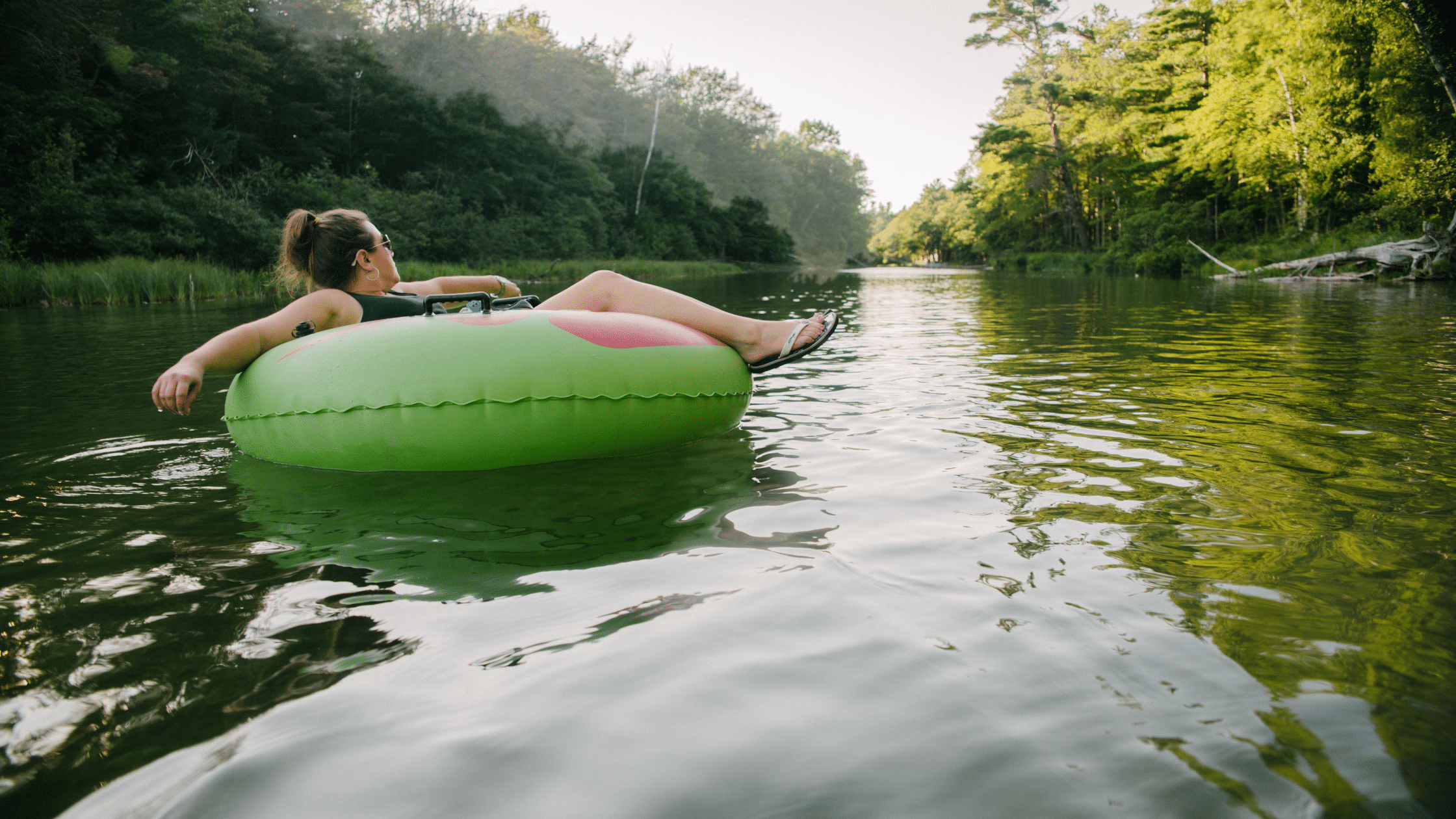
The best rivers for paddling in Minnesota are the Rum, Root, Cannon, and St. Croix — four gentle waterways perfect for canoeing, kayaking, and tubing. Each offers slow currents, scenic bluffs or shoreline forests, and charming river towns like Lanesboro, Welch, and Isanti waiting with cold drinks and comfy inns when you’re done floating.
If you’re looking for whitewater thrills and portage marathons, you’ve come to the wrong place. This guide is for the rest of us — the families, the couples, the “let’s grab a cooler and see where the day takes us” crowd. We’ve gathered the friendliest floats, the best local outfitters, and the small towns worth sticking around for. Grab your sunscreen and let’s get real about lazy river life.
Finding Your Flow: Why Minnesota Is a Paddler’s Paradise
Minnesota isn’t nicknamed the Land of 10,000 Lakes for nothing, but the rivers tying all that water together are the real secret. Among regional travelers, Minnesota ranks as a top 10 state for outdoor recreation and lands in the top tier for lake life — fishing, boating, and paddling. That reputation didn’t happen by accident. Our rivers are wide, welcoming, and refreshingly beginner-friendly.
What Makes Minnesota’s Rivers Perfect for Beginners?
Minnesota’s most popular paddling rivers, the Rum, Root, and Cannon, feature slow-to-moderate currents, sandy or gravel bottoms, and gentle depths that rarely spook a first-timer. Outfitters shuttle you upstream, drop you off, and let the river do the driving. No experience, no problem. That’s the whole point of a lazy river float.
Most stretches used by outfitters are what paddlers call Class I water — meaning flat, riffly at worst, and forgiving. You’ll bob past sandbars where kids can splash, calm pools where turtles sun themselves on logs, and shady bends where you can pull over for a sandwich. If you can steer a shopping cart, you can steer a tube.
What Kind of Scenery Can You Expect on a Minnesota River?
Expect a rotating gallery of tallgrass prairie, oak savanna, towering limestone bluffs, and dense hardwood forest, depending on which river you choose. You’ll spot bald eagles, great blue herons, painted turtles, and, if you’re lucky and quiet, a whitetail deer stepping down to drink. It’s outdoor Minnesota at its most peaceful.
The Rum meanders through gentle central Minnesota woodlands. The Root cuts through the dramatic Driftless Area of Bluff Country, where glaciers never flattened the land. The Cannon rolls past farm fields and forested valleys south of the Twin Cities. Every river tells a slightly different story, and every float feels like flipping to a new chapter.
When Is the Best Time of Year for River Trips in Minnesota?
The prime paddling window runs from late May through mid-September, with July and August offering the warmest water and most reliable outfitter hours. Early June can still be a little chilly for tubing, and by late September, water levels often drop and mornings get crisp. Peak float weather is anytime the air is above 75°F.
A local pro-tip: weekdays and Sunday afternoons are noticeably quieter than Saturdays. If you’re chasing that “we practically have the river to ourselves” feeling, plan for a Tuesday or Wednesday. Booking outfitters a week or two in advance during holiday weekends (Fourth of July, Labor Day) is just plain smart.
The Rum River: Minnesota’s Ultimate Lazy River Float
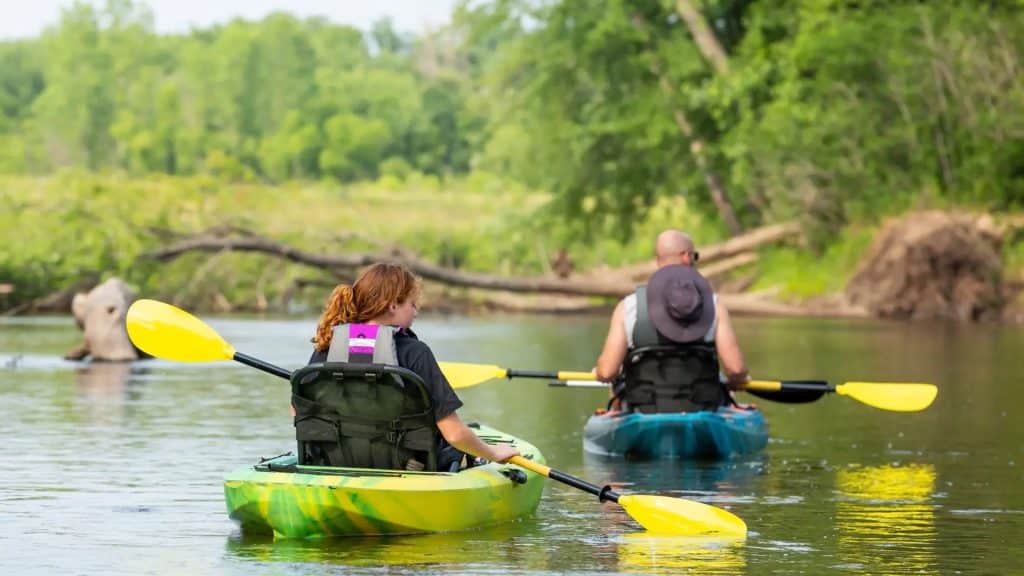
If you asked ten Minnesota paddlers to name the laziest river in the state, most would say the Rum. Meandering from Mille Lacs Lake down to the Mississippi at Anoka, it’s a designated State Water Trail with sandy beaches, easy access points, and the kind of drowsy current that practically begs you to close your eyes for a minute.
What Makes the Rum River So Good for Tubing and Beginners?
The Rum River is often called the laziest river in Minnesota because its slow, steady current, shallow depths, and sandy bottom create nearly ideal conditions for tubing and first-time paddlers. Long straightaways mean you can drift for hours without lifting a paddle, and gentle riverbends offer plenty of sandbars for a mid-float snack break.
Because the water is so forgiving, Rum River canoeing and tubing are hugely popular with family groups and bachelor/bachelorette parties. You’ll see everything from serious kayakers to floats-tied-together flotillas with a cooler drifting in the middle. It’s social, it’s laid-back, and nobody’s in a hurry — exactly the vibe we come for.
Where Are the Best Places to Start and End a Rum River Trip?
The most popular Rum River floats run between Cambridge and Isanti, or from Isanti down toward St. Francis and Anoka. Local outfitters near Cambridge and Isanti handle shuttle service, tube and kayak rentals, and life jackets, making it a genuine grab-your-swimsuit-and-go operation. Trips typically last two to four hours.
Here’s how a classic Rum day usually plays out:
- Morning: Meet at your outfitter in Isanti or Cambridge by 10 a.m. to beat the afternoon heat.
- Float: Drift 4-6 river miles. Bring water, snacks, and reef-safe sunscreen.
- Afternoon: Get off the water around 2-3 p.m., still with plenty of daylight for lunch and a town stroll.
What Can I Do Near the Rum River After My Float?
After a Rum River paddle, most floaters head into Cambridge or Isanti for a burger, a scoop of ice cream, or a cold local beer. Both towns have that quintessential small-Minnesota-downtown feel: walkable, friendly, and packed with mom-and-pop spots. Anoka, further downstream, offers even more restaurant and lodging options.
If you’re extending the trip into a weekend, look for lakeside cabins or B&Bs in the Cambridge area. It’s an easy 45-minute trip north of the Twin Cities, so many folks tack on a swim at a nearby lake or a stop at a farmers market on Saturday morning. Not too bad for a weekend trip within an hour of Minneapolis!
The Root River: Paddling Through Picturesque Bluff Country
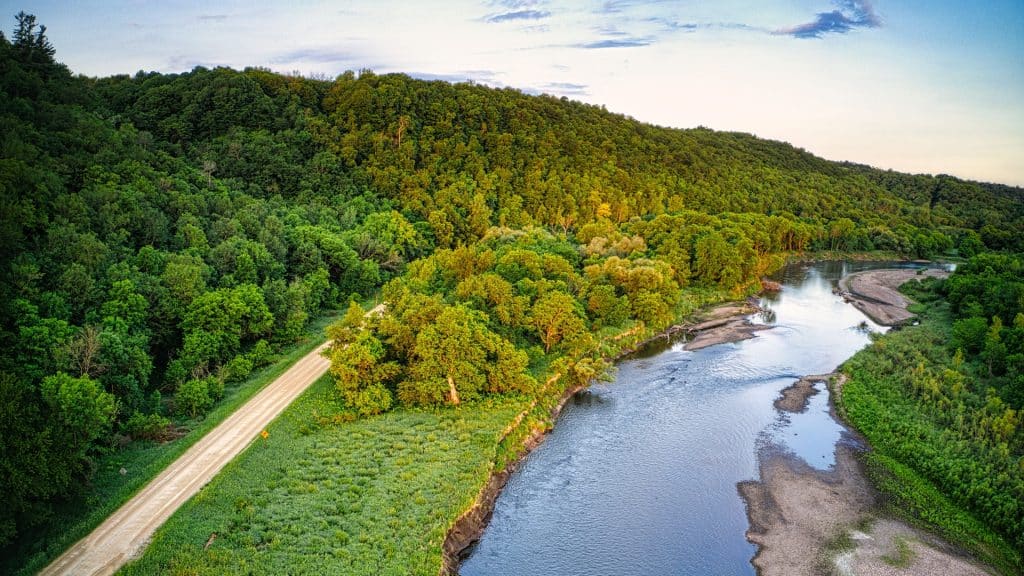
The Root River in southeastern Minnesota is where paddlers go when they want their float to look like a postcard. Winding through the Driftless Area, the Root cuts past 300-foot limestone bluffs, hardwood forests, and green pastures — an entirely different Minnesota than most out-of-state visitors expect.
Why Is the Root River Considered One of Minnesota’s Most Scenic?
The Root River flows through Minnesota’s Driftless Area, a region the last glaciers missed entirely, leaving behind steep limestone bluffs, deep forested valleys, and spring-fed streams. Add abundant wildlife — eagles, otters, muskrats, and the occasional wild turkey — and you get one of the most jaw-dropping paddling experiences in the Upper Midwest.
Sections between Lanesboro, Whalan, and Rushford are the classic paddler favorites. You’ll drift under limestone cliffs streaked with moss, past sandbars where kids can build castles, and into shady groves where the temperature drops a good ten degrees. Wood you believe it? A river this pretty, right in our backyard.
Who Should I Rent From for a Root River Trip in Lanesboro?
The go-to outfitter is Root River Outfitters in Lanesboro, Minnesota, a locally-owned operation that handles kayak, canoe, and tube rentals with shuttle service to and from popular put-in points. They know the water levels, the best stretches for beginners versus more adventurous paddlers, and can steer you to the trip that fits your group.
A few things Root River Outfitters (and the fine folks working the counter) do particularly well:
- Match trip length to your crew. Whether you want a 2-hour float or a full-day adventure, they’ll set you up right.
- Handle the logistics. Shuttle service means you don’t need two vehicles — a lifesaver for solo travelers or couples.
- Pair paddling with biking. Lanesboro is also the anchor town for the Root River State Trail, a paved 60-mile bike path. Many folks paddle one day and bike the next.
How Can I Turn My Root River Paddle Into a Weekend Getaway?
Turn your Root River float into a weekend by staying in Lanesboro, the picture-perfect Bluff Country town of about 750 people that punches way, way above its weight. It’s stuffed with historic B&Bs, art galleries, the Commonweal Theatre Company, and enough charm to fuel a full weekend of wandering.
Here’s a weekend blueprint we come back to again and again:
- Friday night: Roll into Lanesboro. Check into a B&B on Parkway Avenue and enjoy a nice dinner downtown.
- Saturday: Paddle the Root with Root River Outfitters. Late lunch in town. Afternoon nap. Evening at the theater or a walk on the bike trail bridge.
- Sunday: Coffee and pastries downtown, then a scenic drive through Whalan and Preston before heading home.
It’s the kind of weekend that reminds you why people talk about southern Minnesota with a little dreamy look in their eye.
The Cannon River: A Classic Minnesota Tubing Adventure
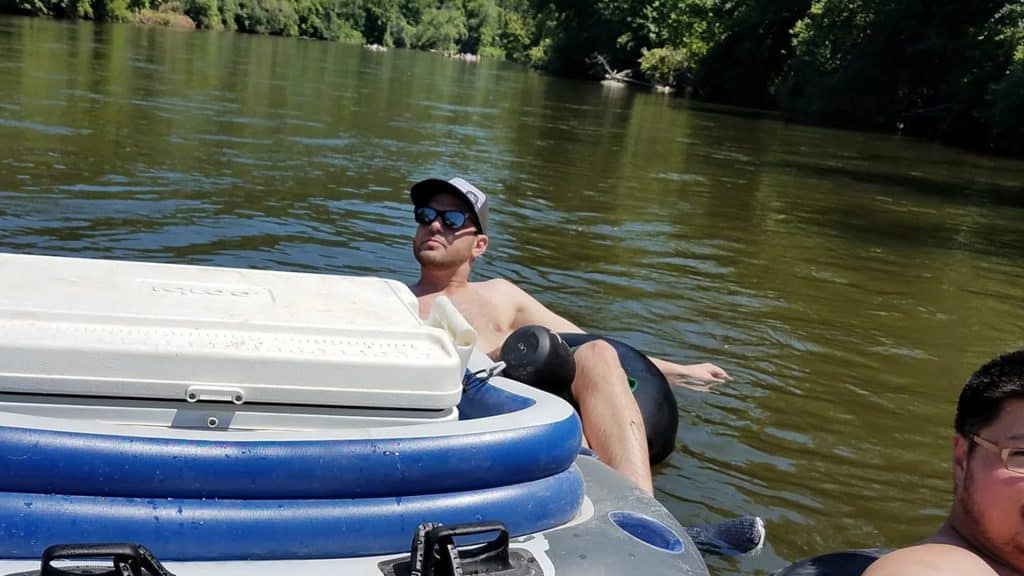
Ask any Twin Cities local where they went tubing in college and there’s a solid chance they’ll say the Cannon River. Running roughly from Faribault through Northfield, Cannon Falls, and Welch on its way to the Mississippi, it’s the quintessential “load up the car and float all afternoon” river — social, sunny, and stupidly fun.
Is the Cannon River Good for Large Groups and Families?
Yes, the Cannon River is one of the best rivers in Minnesota for large groups, family reunions, and birthday floats because outfitters can rent dozens of tubes at once and shuttle everyone together. The current is steady but gentle, water depths are manageable, and sandbars along the way make natural gathering points for a group photo or a snack.
Kids typically do great on the Cannon starting around age six or seven, provided they’re strong swimmers and wearing a properly fitted life jacket. Some sections are shallow enough for wading, which makes emergency snack-retrieval a much less dramatic affair than it sounds.
What Do I Need to Know About Tubing With Welch Mill?
Welch Mill Canoeing, Tubing & Kayaking in Welch, Minnesota is the classic Cannon River outfitter, offering tube, kayak, and canoe rentals with shuttle service on scenic stretches between Cannon Falls and Welch. Trips typically run 2-4 hours, and Welch Mill provides life jackets, tubes, and everything else you need to just show up and float.
A few Welch Mill pro-tips from locals:
- Arrive early on summer Saturdays. The parking lot fills fast, especially in July.
- Reserve the cooler tube. For a small extra fee, they’ll rig a tube with a strap so your cooler can float with you. Worth every penny.
- Wear water shoes. Sandbars are lovely, but sharp rocks are less so.
- Cash for a tip at the shuttle. The drivers work hard; a little appreciation goes a long way.
What Are Some Fun Stops to Make Near Welch, MN?
The tiny village of Welch itself sits in a beautiful wooded valley and is home to the historic Welch Village ski area (fun to visit in summer too). Just a short drive away, Red Wing offers riverfront dining, the storied St. James Hotel, the Pottery Museum, and enough antique shops to make a weekend disappear.
If you’re building a full day around a Cannon float:
- Morning: Float with Welch Mill.
- Lunch: Grab a bite at a local grill in Welch or head to Cannon Falls for a bakery stop.
- Afternoon/Evening: Drive 20 minutes to Red Wing for dinner along the Mississippi, a walk up Barn Bluff, or an overnight at the St. James Hotel.
The nearby St. Croix River along the Minnesota-Wisconsin border is another gorgeous option worth mentioning — wider, deeper, and framed by tall bluffs, it’s fantastic for kayaking and a longer paddling adventure if you want to branch out.
Your Minnesota River Trip Planner
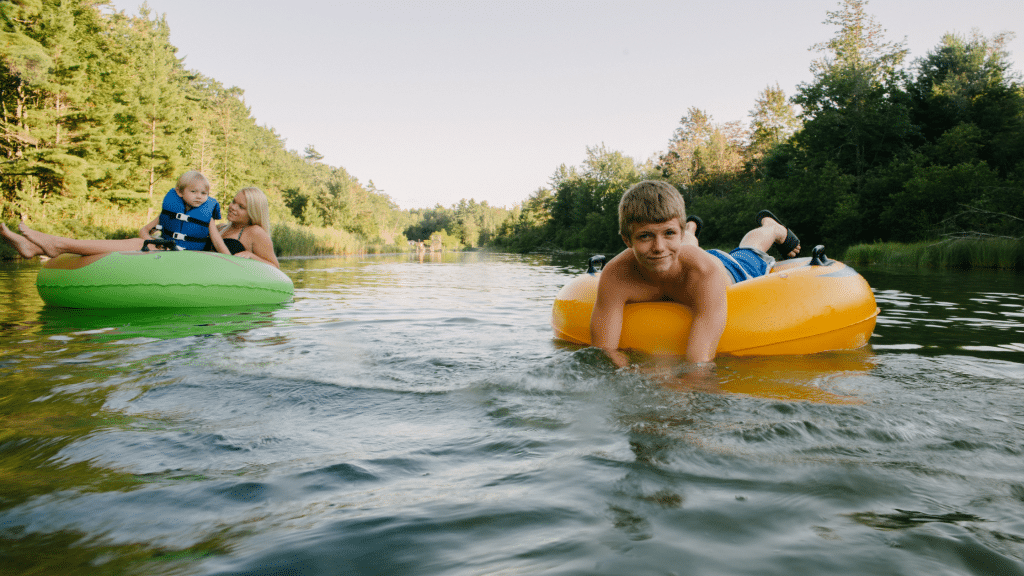
Great river days come down to a little bit of prep. Here’s the practical stuff every paddler and tuber should know before shoving off — no matter which of the best rivers for paddling in Minnesota you choose.
What Should I Pack for a Day of Paddling or Tubing?
Pack a life jacket (or use one from your outfitter), reef-safe sunscreen, sturdy water shoes, a hat, sunglasses with a strap, drinking water, snacks in a waterproof bag, and a dry bag for your phone and keys. Wear a swimsuit under quick-dry clothing, and bring a towel and dry clothes for the car ride home.
A few extras that separate the amateurs from the seasoned floaters:
- A cheap waterproof phone pouch. Ten bucks. Saves a lot of tears.
- Bug spray. Especially near dusk. This is Minnesota, after all.
- A small trash bag. Pack out what you pack in.
- A carabiner. Clip your cooler, water bottle, or shoes to the tube so they don’t float away when, not if, you tip over.
What Are the Most Important River Safety Tips?
Always wear a life jacket, never paddle alone, check the weather forecast before you go, and skip the trip if there’s been heavy recent rainfall (rivers rise fast and turn dangerous). Limit alcohol on the water, stay with your group, and know your outfitter’s takeout point so you don’t miss it.
A quick common-sense list:
- Kids and non-swimmers in life jackets at all times. No exceptions.
- Watch for strainers. Fallen trees in the current can trap tubes and swimmers. Steer around them.
- Hydrate with water, not just beer. The sun is stronger on the river than you think.
- Know your exit. Ask your outfitter to point out the takeout landmark before you launch.
How Can I Follow Leave No Trace Principles on the River?
Leave No Trace on the river means packing out every piece of trash (yes, including that stray beer can), avoiding disturbing wildlife, staying on established sandbars rather than trampling vegetation, and using biodegradable products when you can. If you pack it in, you pack it out, full stop.
Minnesota’s rivers stay beautiful because generations of paddlers have treated them well. A few easy habits:
- Bring a mesh bag clipped to your tube for collecting your own trash, and any you spot floating by.
- Give wildlife space. That heron doesn’t want a selfie.
- Skip the glass. Cans and reusable bottles only. Broken glass in the river is bad news for everyone downstream.
- Respect private property. Riverbanks are often privately owned. Stick to public sandbars and outfitter-approved stops.
Ready to Find Your Float?
There’s a particular kind of quiet you only find on a Minnesota river in July — the buzz of dragonflies, the slap of a paddle, the far-off laugh of somebody’s kid discovering a mudbank. Whether you fall for the sleepy Rum, the storybook Root, or the classic Cannon, you’re signing up for the kind of day that ends with sun-warmed shoulders and a story worth retelling. Which river will you paddle first?
Pick a weekend, book your outfitter, and treat yourself to a lazy float with a small-town dinner on the back end. When you find your favorite stretch, and you will, come tell us about it. From all of us at Minnesota Travel Hub, see you on the river!
Key Takeaways
What are the best rivers for lazy paddling and tubing in Minnesota?
The Rum, Root, Cannon, and St. Croix are Minnesota’s top lazy rivers for paddling. They offer gentle currents, beautiful scenery like bluffs or forests, and charming towns nearby such as Lanesboro, Welch, and Isanti. These waterways are perfect for a relaxed day of canoeing, kayaking, or tubing, providing a quintessential Minnesota summer experience.
What makes Minnesota’s rivers great for beginner paddlers?
Minnesota’s popular rivers, like the Rum, Root, and Cannon, are ideal for beginners due to their slow-to-moderate currents, sandy or gravel bottoms, and shallow depths. Outfitters typically shuttle you upstream, letting the river guide you on Class I water. This “no experience, no problem” approach makes it easy to enjoy a relaxing float, even if it’s your very first time.
When is the best time of year to go paddling or tubing in Minnesota?
The prime season for paddling in Minnesota runs from late May through mid-September, with July and August offering the warmest water and most consistent outfitter hours. Weekdays and Sunday afternoons are generally quieter than Saturdays. For holiday weekends, it’s smart to book your outfitter a week or two in advance to secure your spot and beat the crowds.
What should I pack for a day of paddling or tubing on a Minnesota river?
For a comfortable river day, pack a life jacket, reef-safe sunscreen, sturdy water shoes, a hat, and sunglasses with a strap. Don’t forget drinking water, snacks in a waterproof bag, and a dry bag for essentials like your phone and keys. A towel and dry clothes for after your float are also great to have for the ride home.